Midlife Women, Wine, and the 3am Wake-Up
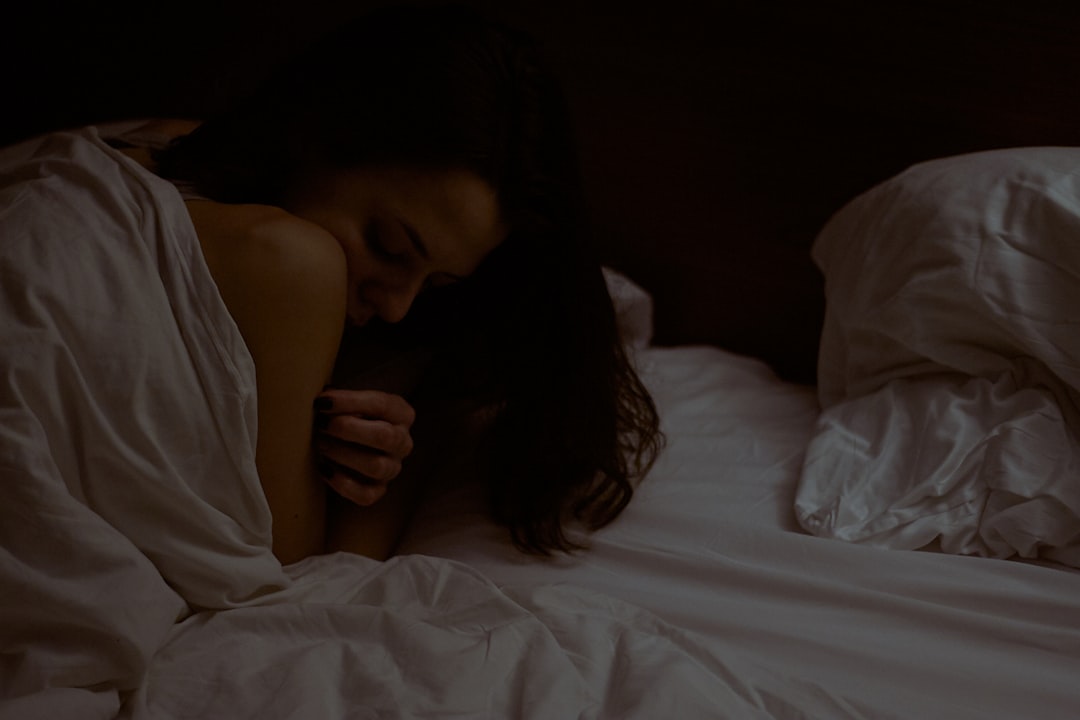
I asked everyday women what the number one motivating factor was for them when it came to giving up alcohol or cutting back and they all said the same thing: sleep. Which is ironic because those same women, myself included when I was drinking, were reaching for it to unwind, relax, let go and sleep better at night.
The stress and chaos of (single) working mom life feels just like yesterday. Probably because I'm still in the process of my nervous system rewiring from years of being in the trenches. Every day had some element of urgency or emergency tied to it. Not waking up on time. Traffic. Forgotten lunches. No less than 23 separate conversations from the car to the classroom, then more traffic on the way to work, and by 9am my body was already bargaining… coffee now, wine later.
I can't remember a single night before I quit that I walked through my front door, kids behind me, backpacks full of homework, dinner still to be made, without wine being the first thing my mind went to. I know this because when I did quit, that threshold became the most specific place I'd ever felt a craving. My body had learned exactly where it could escape.
The association was that clean. Bread and butter.
The problem was it eventually stopped working. Every night around 2:30, 3am, I'd wake to my heart racing and cryptic thoughts reeling. What had taken me out of my body and thoughts, dragged me back in to experience it processing something it didn't want. The older I got, the worse it became. I told myself it was stress. The average life is stressful!
That's not what was keeping me up.
Alcohol is a depressant. That's why the first glass works. Everything slows down, including the thoughts that won't stop. But your body is also remarkably efficient at processing what it doesn't want. By the second half of the night, it's fighting back. Cortisol spikes. The nervous system rebounds. Suddenly you're awake. Heart pounding. Brain already mid-conversation. That strange feeling like you've forgotten something terrible or been dropped into the middle of an emergency. The real downer is this: You weren't sleeping, you were sedated.
A few weeks ago I watched Bill Maher interviewing Ezekiel Emanuel, who just wrote Eat Your Ice Cream. The conversation circled around pleasure and health. Ice cream isn't bad for you if it brings you joy, that kind of thing. Bill wasn't having it. And then, almost in the same breath, he offered that anyone who was too stressed or anxious should have a scotch when they get home to relax their nerves. Emanuel didn't agree. Neither did I. Which is a rare moment between me and Bill.
The thing is, I understand the instinct completely. Because when you take that first sip and feel the back of your throat warm, that slight tingling where the base of your ears meets your jaw, and the tension starts to leave your body, your brain registers it. It clocks alcohol as the answer. And for a while, it is.
What we don't talk about is the moment before you pour. The specific quality of needing something. Not the drink exactly, but the exhale the drink promises. The body desperately trying to find the exit from a day that never officially ended.
That's what the sleep problem is actually about. Not the wine, but the day that never ended.
What many women discover when they finally remove wine from their wind down is that the sleep comes back faster than they expected. Within days sometimes. Your body is waiting for the chance.
What takes longer is the other thing. Learning what to do at 9pm when there's no ritual to mark the end. When the door closes behind you and the day is technically over and your nervous system hasn't gotten the message yet. That gap between the day ending and the body believing it is where most women get stuck.
I asked one woman I was working with to describe what walking through her front door felt like at the end of the day. She paused, then said: 'Like suiting up in armor. I need a shield of protection for the next few hours.' She'd been using wine for years.
Another woman said, after six months: 'I didn't know I was that tired. Not from the drinking. From the years of never fully arriving anywhere. Moving from one fire to the next with nothing in between, but the glass that masqueraded as my way out.'
Neither of them went looking for a ritual. They went looking for the exhale the wine used to promise. They just found the first thing that actually delivered it.